Crawl Space Repair in Fort Collins & Northern Colorado
Your crawl space may be out of sight, but what happens beneath your home has a direct and significant impact on the air you breathe, the floors you walk on, the energy efficiency of your home, and the structural integrity of the framing that supports everything above it. A crawl space that is damp, uninsulated, pest-damaged, or structurally compromised does not stay contained beneath the floor. Its effects migrate upward into the living space and outward into the foundation, silently degrading your home’s performance and value with every passing season.
At Fort Collins Foundation Repair, our crawl space repair service addresses the full spectrum of problems that develop in below-grade and below-floor crawl spaces throughout Northern Colorado. From moisture intrusion and standing water to sagging floor joists, deteriorated vapor barriers, inadequate insulation, and wood rot caused by years of elevated humidity, we diagnose each situation thoroughly and implement solutions that restore the crawl space to a clean, dry, structurally sound condition built to last through Northern Colorado’s demanding climate cycles.
We serve homeowners throughout Fort Collins, Loveland, Greeley, Windsor, Wellington, Timnath, and the surrounding communities of Larimer and Weld counties. If you have noticed soft spots in your floors, musty odors rising into your home, unusually high energy bills, or any sign that your crawl space is not in good condition, reach out today for a thorough evaluation.

Why Crawl Space Repair Cannot Be Deferred in Northern Colorado
The crawl space environment in Northern Colorado presents a unique set of challenges that accelerate deterioration faster than homeowners typically expect. The combination of cold winters that drive frost into the soil beneath and around the crawl space, wet springs that push moisture up through bare soil and through foundation vents, and the clay-heavy soils common throughout Larimer and Weld counties creates conditions that are persistently hostile to the wood framing, insulation, and vapor control materials that crawl spaces depend on to function properly.
The stack effect is one of the most important concepts to understand when evaluating crawl space health. Because warm air in a home rises and exits at the upper levels, it draws replacement air upward from below. In a home with a vented or poorly sealed crawl space, that replacement air comes directly from beneath the floor, carrying with it the moisture, mold spores, soil gases, and allergens present in the crawl space environment. Research from building science organizations consistently indicates that a significant percentage of the air in a home’s living areas originates in the crawl space below it. A damp, moldy crawl space is therefore not just a structural problem. It is an air quality problem that affects everyone living in the home.
Structural deterioration in a crawl space also progresses in ways that are not visible from the living space until the damage is advanced. Floor joists and support beams that have been absorbing moisture for years may show significant rot and loss of load-bearing capacity before any soft spots or deflection become apparent from above. By the time a homeowner notices a bouncy floor or a visible sag, the underlying structural damage is often extensive and expensive to correct. Early intervention based on a professional crawl space assessment prevents this progression and protects the structural integrity of the home at a fraction of the cost of advanced structural repair.
A properly repaired and encapsulated crawl space also delivers measurable energy efficiency improvements. Conditioned air losses through an uninsulated or poorly insulated crawl space floor contribute directly to elevated heating and cooling costs throughout the year, and addressing crawl space insulation and air sealing as part of a comprehensive repair project typically produces meaningful reductions in monthly energy expenses.
Warning Signs Your Crawl Space Needs Professional Attention
- Musty or earthy odors rising into the living areas of the home
- Soft spots, bounce, or visible sagging in floors above the crawl space
- Elevated indoor humidity levels that cannot be explained by living area sources
- Condensation on windows, pipes, or ductwork inside the home
- Visible mold or mildew on floor joists, subfloor, or insulation batts when inspected
- Standing water or saturated soil visible in the crawl space
- Torn, displaced, or deteriorated vapor barrier on the crawl space floor
- Insulation hanging down from between floor joists or falling to the crawl space floor
- Evidence of rodent or pest activity including droppings, nesting material, or gnawed wood
- Increased allergy symptoms or respiratory issues among household members
- Higher than expected heating and cooling bills without another clear explanation
- Visible wood rot, darkening, or structural damage to joists or beams when the space is accessed
Many of these signs develop gradually and are easy to attribute to other causes. A professional crawl space assessment provides a definitive picture of what is actually happening beneath your home so the right repairs can be made before the damage progresses further.
Get a Free Crawl Space Repair Estimate
Fill out the secure form below to request your free crawl space evaluation. Our team will inspect the full condition of your crawl space, identify all moisture, structural, and air quality issues present, and provide a clear recommendation for the repair approach best suited to your home’s specific situation. There is no cost and no obligation involved in requesting an evaluation.
Our Crawl Space Repair Process, Step by Step
Crawl space repair is not a single task. It is a sequenced process in which each step prepares the foundation for the next, and in which skipping or shortcutting any stage undermines the performance and durability of everything that follows. Our repair process is designed to address every aspect of crawl space health systematically, from the initial diagnostic assessment through structural repairs, moisture management, encapsulation, insulation, and final verification.
Every crawl space we work on begins with a thorough inspection conducted by an experienced team member who enters the space and evaluates conditions firsthand. We document moisture levels, structural conditions, insulation status, vapor barrier condition, drainage patterns, and any signs of pest activity or organic growth. That documentation provides the basis for a repair scope that addresses the actual conditions present rather than assumptions made from outside the space.
We approach every crawl space repair project with an understanding that the space beneath your home is a connected part of your home’s overall building envelope, not an isolated void that can be treated independently of the rest of the structure. Decisions about ventilation, vapor control, insulation placement, and air sealing all have implications for the home above, and we make those decisions with the whole-building perspective that effective building science requires.
When the repair is complete, we walk you through everything that was done, show you the before and after condition of the space where applicable, and provide guidance on monitoring the crawl space going forward so that any future changes in condition can be caught and addressed early.
- Comprehensive crawl space inspection: Enter and fully assess the crawl space, documenting moisture levels, structural conditions, existing vapor barrier status, insulation condition, drainage situation, pest evidence, and any wood rot or organic growth present.
- Water intrusion source identification: Identify all pathways through which water or moisture is entering the crawl space, including foundation wall cracks, open vents, inadequate grading at the exterior, and groundwater seepage through the soil floor.
- Debris and contamination removal: Remove deteriorated insulation, old failed vapor barrier material, debris accumulation, and any contaminated material that would compromise the performance of new repair components or harbor mold and pests.
- Structural assessment and wood repair: Evaluate all floor joists, beams, sill plates, and support posts for rot, insect damage, and structural compromise. Repair or sister damaged joists and replace structural members that have lost load-bearing capacity.
- Drainage installation where needed: Install interior drainage channels, sump pit, and pump where standing water or chronic soil saturation is present, ensuring water has a controlled path out of the crawl space before encapsulation proceeds.
- Foundation wall waterproofing: Apply waterproofing membrane or sealant to crawl space foundation walls to reduce moisture migration through the wall surface into the enclosed crawl space environment.
- Vapor barrier installation: Install heavy-duty polyethylene vapor barrier across the full crawl space floor, lapping up foundation walls and sealing all seams and penetrations to create a continuous moisture control surface beneath the entire space.
- Vent sealing and air sealing: Seal existing foundation vents and address air infiltration pathways at the rim joist and foundation wall to transition the crawl space to a semi-conditioned environment that is not subject to outdoor humidity and temperature extremes.
- Insulation installation: Install appropriate insulation at the crawl space walls or floor system based on the encapsulation approach used, ensuring thermal performance that reduces heat loss through the floor and keeps the crawl space environment within a controlled temperature range.
- Final inspection, moisture verification, and walkthrough: Measure and document post-repair moisture conditions, inspect all completed work, and walk the homeowner through the finished crawl space with a clear explanation of what was done and how to monitor the space going forward.
A damaged or neglected crawl space affects every level of your home, from the air you breathe to the structural integrity of your floors and the energy efficiency of your heating and cooling system. A comprehensive crawl space repair from Fort Collins Foundation Repair addresses all of these issues in a single, integrated project so your home performs better from the ground up.
Schedule Your Free Crawl Space EvaluationCrawl Space Repair Projects in Fort Collins & Northern Colorado
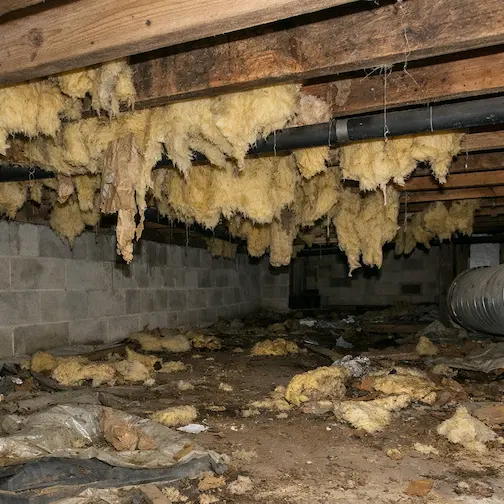
Saturated soil, fallen insulation, and a completely deteriorated vapor barrier allowing moisture to migrate freely into the crawl space and floor system.
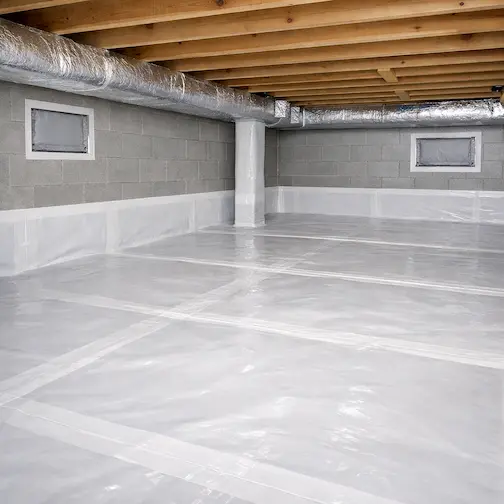
Complete encapsulation with heavy-duty vapor barrier, sealed vents, wall insulation, and clean dry conditions throughout the space.

Visibly sagging floor joists with significant wood rot and structural compromise from years of uncontrolled moisture exposure.
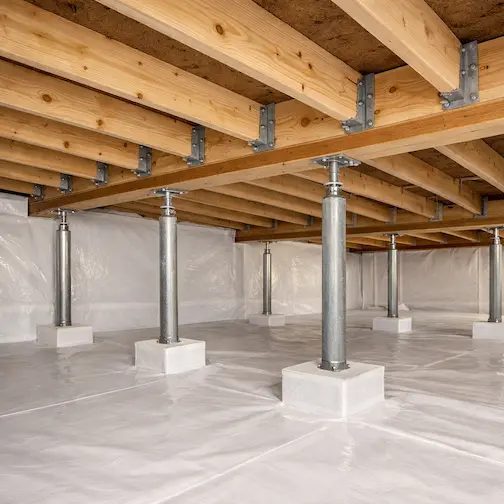
Sistered and reinforced floor joists, new support posts, full encapsulation, and a structurally sound, dry crawl space ready for long-term performance.
Crawl Space Repair Services and Components
Crawl space repair encompasses a range of services and components, each targeting a specific category of problem. Depending on the conditions found during the assessment, a repair project may involve one or several of the following elements working together as a complete system. Here is a detailed look at each service we provide and the problems it addresses.
Crawl Space Encapsulation
Crawl space encapsulation is the most comprehensive moisture control approach available for below-floor spaces. It involves installing a heavy-duty polyethylene vapor barrier across the full crawl space floor, lapping it up and securing it to the foundation walls, sealing all seams with specialized tape, and sealing all penetrations including pipes, columns, and supports. Foundation vents are sealed as part of the encapsulation process, transitioning the crawl space from a vented to a sealed environment. This sealed environment is then either conditioned by connection to the home’s HVAC system or dehumidified by a dedicated crawl space dehumidifier. The result is a crawl space that maintains stable, controlled humidity levels year-round regardless of outdoor conditions, eliminating the moisture cycling that drives mold growth, insulation degradation, and wood deterioration in vented crawl spaces throughout Northern Colorado.
Vapor Barrier Installation and Replacement
A vapor barrier is the primary line of defense against moisture rising from the soil into the crawl space environment. Many homes in the Fort Collins area have thin, low-grade polyethylene sheeting that was installed decades ago and has since degraded, torn, shifted, or been damaged by pest activity or foot traffic during previous service work. A deteriorated vapor barrier provides only partial protection at best and may be contributing to elevated humidity and mold conditions in the crawl space. We remove old failed vapor barrier material completely and install a reinforced, heavy-duty replacement that is properly lapped, sealed at all seams, and secured at the perimeter and at penetrations to provide continuous, reliable moisture control across the entire crawl space floor.
Structural Wood Repair and Sistering
Floor joists, rim joists, sill plates, and support beams that have been exposed to chronic moisture conditions are vulnerable to rot, fungal decay, and in some cases insect damage that progressively reduces their structural capacity. When a structural member has lost integrity due to moisture damage, it must be repaired or replaced before encapsulation proceeds, because encapsulating around compromised structure locks the damage in place without addressing the underlying problem. We sister damaged joists by installing new lumber alongside the compromised member and fastening it securely to restore the combined load-bearing capacity of the floor system. Where damage is too extensive for sistering to be effective, full member replacement is performed. Sill plates that have rotted at the foundation wall connection are replaced with pressure-treated lumber appropriate for ground-contact conditions.
Support Post and Beam Repair
Wood support posts and beams in crawl spaces are particularly susceptible to moisture damage because they sit close to or in direct contact with the crawl space floor, where moisture levels are typically highest. Posts that have rotted at their base may still appear intact from above but have lost their ability to transfer loads effectively to the footing below, resulting in floor deflection and movement that worsens progressively. We assess all support posts and center beams for structural integrity and replace compromised members with properly sized, treated materials. In some cases we install adjustable steel support posts that allow for future minor adjustments if seasonal soil movement produces minor floor level changes over time.
Crawl Space Insulation
Proper insulation in a crawl space serves two functions: it reduces heat loss through the floor system to improve energy efficiency, and it helps maintain a stable temperature in the crawl space environment that reduces condensation risk. In a vented crawl space, insulation is typically installed between the floor joists, though this approach has well-documented limitations in humid climates because the insulation retains moisture and loses effectiveness over time. In an encapsulated crawl space, insulation is more effectively placed at the foundation walls, where it conditions the crawl space volume as part of the building’s thermal envelope rather than trying to insulate the floor assembly above a persistently damp space. We recommend and install insulation solutions appropriate for the specific crawl space approach used on each project, using moisture-resistant materials that maintain their thermal performance in the conditions present.
Vent Sealing and Rim Joist Air Sealing
Foundation vents were included in older crawl space construction based on the theory that ventilating the crawl space with outdoor air would keep it dry. Building science research has since demonstrated that in most climates, including Northern Colorado’s, outdoor air ventilation introduces more moisture into the crawl space than it removes, particularly during warm humid summer months when warm moist outdoor air enters a cool crawl space and deposits moisture on every surface it contacts. Sealing foundation vents is an essential step in transitioning to an encapsulated crawl space, and it must be done properly with rigid insulated plugs or panels that provide both air sealing and thermal resistance. The rim joist, which runs along the top of the foundation wall where the floor framing begins, is one of the largest sources of air infiltration in a home with a crawl space and is addressed with spray foam or rigid foam insulation to eliminate both air leakage and heat loss at this vulnerable location.
Crawl Space Dehumidifier Installation
Even in an encapsulated crawl space, residual moisture from the soil and from any remaining infiltration pathways can keep humidity levels elevated enough to support mold growth and wood degradation if it is not actively managed. A dedicated crawl space dehumidifier installed in the sealed space continuously maintains relative humidity below the threshold at which mold grows and wood absorbs damaging levels of moisture, typically below 55 percent relative humidity. Crawl space dehumidifiers are designed for the temperature and airflow conditions present in a below-floor enclosed space and are significantly more effective in this application than portable consumer dehumidifiers. Units with automatic drainage to a condensate line or sump pump eliminate the need for manual emptying and operate continuously without intervention.
Crawl Space Drainage Systems
Where standing water or chronic soil saturation is present in the crawl space, encapsulation alone is not sufficient. Water that accumulates beneath the vapor barrier or enters through foundation wall cracks must be collected and removed before it can pond on the crawl space floor and defeat the moisture control system above it. We install interior perimeter drainage channels, sump pits, and sump pumps in crawl spaces using the same principles and components used in basement drainage applications, scaled and configured for the crawl space environment. Drainage installation always precedes encapsulation in our repair sequence, ensuring that the vapor barrier and insulation systems are installed in a space that is already managing water effectively rather than trapping it.
What Makes Crawl Spaces in Northern Colorado Particularly Vulnerable
Temperature Extremes and Freeze-Thaw Cycling
Fort Collins and the surrounding Front Range communities experience significant temperature swings between seasons and even within single days during shoulder seasons. These temperature extremes stress crawl space materials in ways that milder climates do not produce. Vapor barriers become brittle and crack in cold conditions. Insulation compresses and loses R-value over repeated moisture and freeze cycles. Condensation forms on cold surfaces when warmer air enters during temperature transitions. Wood framing expands and contracts with moisture and temperature changes, loosening connections over time. A properly encapsulated crawl space with appropriate insulation dramatically reduces the impact of these temperature extremes by maintaining a more stable internal environment that is decoupled from outdoor conditions.
Soil Moisture from Snowmelt and Irrigation
The crawl space soil floor is a persistent source of moisture vapor in Northern Colorado homes. During spring snowmelt season the soil beneath and around the crawl space becomes heavily saturated, dramatically increasing the rate at which moisture vapor evaporates upward through the soil floor and into the crawl space air. Summer irrigation of adjacent landscaping adds a second period of elevated soil moisture that keeps vapor emission rates high long after the spring thaw has passed. An adequately rated vapor barrier installed directly over the soil floor is the primary defense against this vapor emission, but only if the barrier is continuous, properly sealed at all seams and penetrations, and in good physical condition. Many of the vapor barriers we find during crawl space assessments in this region are inadequate for the moisture load present.
The Stack Effect and Indoor Air Quality
Northern Colorado’s cold winters intensify the stack effect in homes with crawl spaces more than is experienced in warmer climates. The greater the temperature difference between the cold crawl space and the warm living area above, the stronger the pressure differential that draws crawl space air upward into the living space through gaps in the floor assembly. During winter months this effect can be significant, meaning that the air quality in a Fort Collins home with a problematic crawl space may be more directly and severely affected by crawl space conditions during the heating season than at any other time of year. Addressing crawl space air quality, moisture, and infiltration pathways is therefore not just a structural investment. It is a direct investment in the health and comfort of everyone in the home during the months when the heating system is running and the house is closed up tightly.
What Is Beneath Your Home Matters More Than You Think
A damaged, damp, or neglected crawl space affects the air your family breathes, the floors you walk on, the energy bills you pay every month, and the structural integrity of your home’s floor system. None of those consequences stay contained beneath the floor. They make their way into your daily life in ways that are easy to misattribute to other causes until a professional inspection reveals what is actually happening below. Fort Collins Foundation Repair provides thorough crawl space assessments and comprehensive repair solutions designed specifically for the conditions that Northern Colorado homes face. The evaluation is free, there is no obligation to proceed, and the information you receive gives you a complete picture of your crawl space’s current condition and what it needs to perform properly for the long term.
Contact Us for Your Free Crawl Space Evaluation